Every so often, my mom will describe someone in the family as "Hurst-y", and I've gathered over the years that our Hurst line can be thanked for the artistic, nosy, pedantic, and slightly eccentric tendencies that run through our veins. While my great-grandmother may have traded in her Hurst name at her wedding, she apparently made sure that the Hurst DNA did not die out. The Hursts taught me, among other things, how to appreciate poetry: like a sacred family recipe, the love of good word was passed down from parent to child across generations, connecting us with a breathable sinew strong as any cord. It is with my Hurst blood that I admonish you today: go read a damn poem.
Poems are meant for the heart as much as the mind. Practice the language of poetry, and you practice the language of the spirit. We see Christ himself turn to symbols time and time again, inviting us with every parable to put ourselves in someone else’s shoes and see how the symbols of their story harmonize with our heart and our own lived experience. Sometimes I mourn the loss of such open and resonant teaching. I fear we have trained ourselves to read manuals far better than symbols, and unless we are distinctly compelled in all things, we do not know where to find the spirit of our God.
To quote William Sieghart of The Poetry Pharmacy, “I’ve always believed in the power of poetry to explain people to themselves.” Poems are little nuggets of let-me-show-you. A burst of understanding that transcends time and space. Reading a poem is like holding up a mirror: we are not surprised to see ourselves there, but are sometimes surprised by how we show up.
As someone who struggles with a black and white interpretation of scripture and the temple, seeing both through a poet’s eyes opens my soul. It does not erase all discomfort, but it allows meaning to filter in around it. It helps me see the infinitely expansive and the infinitely minute. Doctrine and Covenants 93:36 teaches that “the glory of God is intelligence, or, in other words, light and truth.” And yet it doesn’t require a PhD in poetry to open the window and invite the light to enter. It requires merely a desire, much like Alma’s seed of faith. So whether you are sitting with Shel Silverstein or Emily Dickinson, I urge you to leave your poetry spectacles on for a time, and notice what comes into view in the great poem that is life.
mental awareness • EMOTIONAL INTELLIGENCE • value affirmation • spiritual nourishment
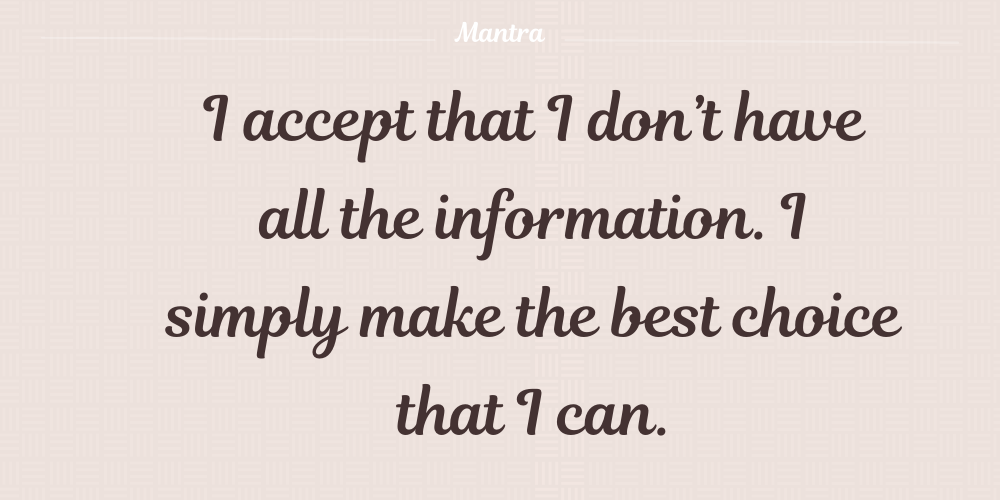
Try listening to your emotions without acting on them. The next time you notice a strong emotion enter your body, give yourself 60 seconds of quiet observation before doing anything. Notice how each part of your body feels when that emotion is present. What does your body want to do in response? Hide? Move? Dance? How are you letting those messages influence your behavior?
|
Want access to my course for over 90% off? Register to be a beta user. You get all of my materials—videos, guides, and weekly one-on-one calls—in exchange for feedback, which will help improve the program for future clients. If you've been curious about whether coaching could help your church experience, but don't want to pay full price, now's the time to give it a try. You'll be glad you did.



Responses